
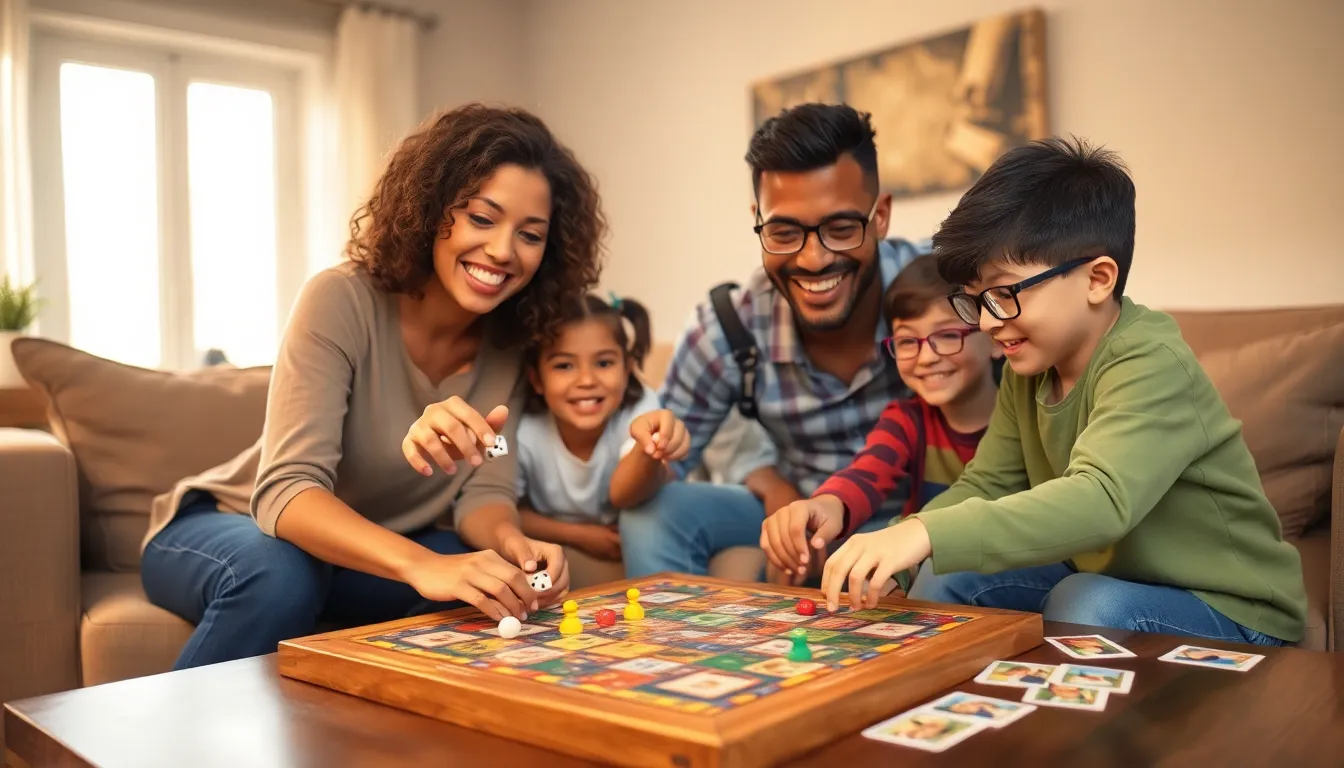

In a world where screens often dominate family time, finding engaging ways to connect can be a challenge. Family building games offer a refreshing escape, fostering communication, teamwork, and laughter among loved ones. These games aren’t just about competition; they create lasting memories and strengthen bonds that can withstand life’s ups and downs.
Whether it’s a board game night or an outdoor adventure, the right family building games can turn any gathering into a joyful experience. They encourage creativity and problem-solving while providing a platform for everyone to share their unique perspectives. As families seek to deepen their connections, exploring these interactive activities can be the perfect solution to bring them closer together.
Overview of Family Building Games
Family building games enhance communication and strengthen family ties among members. These games encourage teamwork, creativity, and problem-solving. Through interactive activities, families transform gatherings into joyful experiences.
There are various types of family building games, each offering unique benefits:
- Board games: Promote strategic thinking and collaboration. Examples include “The Game of Life” and “Catan.”
- Outdoor games: Foster physical activity and teamwork. Examples include capture the flag and family relay races.
- Card games: Enhance social interaction and competitiveness. Examples include “Uno” and “Go Fish.”
- Team-building activities: Strengthen problem-solving skills through challenges that require collaboration. Examples include escape room simulations and scavenger hunts.
Family building games serve as effective tools for creating lasting memories. They facilitate deeper connections and provide a break from screens, promoting more engaging interactions among family members. Overall, these games play a crucial role in nurturing healthy relationships within families.
Benefits of Family Building Games
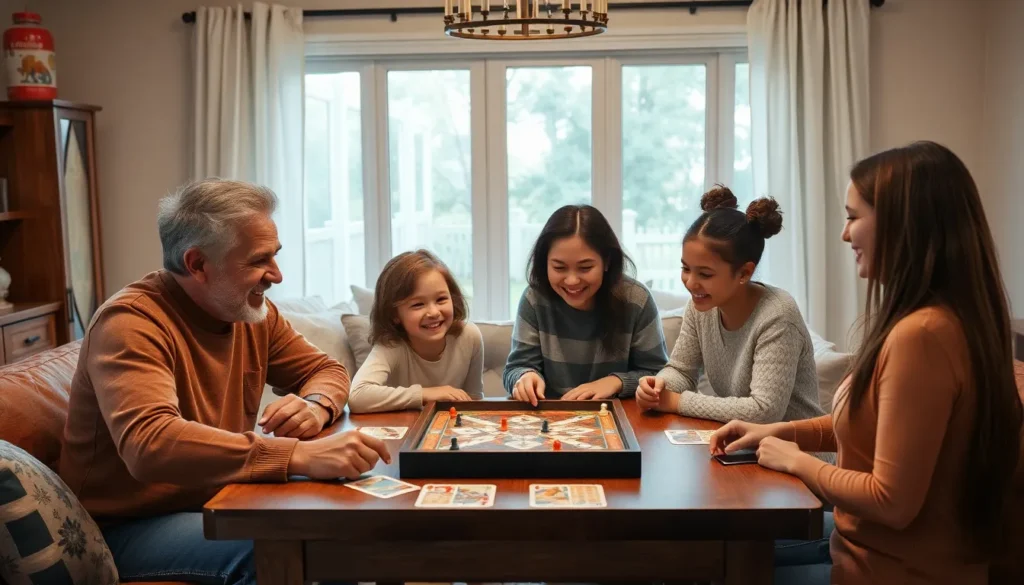
Family building games provide numerous advantages that improve relationships among family members. They create opportunities for interaction, learning, and enjoyment together, facilitating stronger family dynamics.
Enhancing Family Communication
Family building games enhance communication by encouraging open dialogue. Players express thoughts and feelings while engaging in cooperative or competitive play. Game mechanics often require verbal interaction, prompting discussion and reinforcing active listening skills. For instance, during games like “Codenames,” players must communicate effectively to achieve objectives. This practice translates into improved communication outside of games, fostering understanding and empathy among family members.
Fostering Teamwork and Collaboration
Family building games foster teamwork and collaboration through shared goals and strategies. Participants learn to work together, leveraging each other’s strengths to overcome challenges. For example, in outdoor activities like family relay races, cooperation becomes essential for success. These experiences build trust and strengthen bonds, as family members recognize the importance of collective effort and support. By participating in these games, they develop skills that extend beyond game nights, enhancing problem-solving and collaborative abilities in daily life.
Types of Family Building Games
Family building games come in various forms, catering to different preferences and environments. They promote interaction, strengthen bonds, and enhance overall family dynamics.
Indoor Family Building Games
Indoor family building games engage family members in a cozy environment. They often focus on communication, strategy, and creativity. Examples include:
- Board Games: Games like “The Game of Life” and “Catan” promote strategic thinking and collaboration among family members.
- Card Games:Uno and Go Fish enhance social interactions, allowing families to enjoy lively conversations while playing.
- Tabletop Role-Playing Games (RPGs): Games such as Dungeons & Dragons encourage imagination and teamwork, as players work together to overcome challenges.
- Puzzle Solving Games: Activities like Escape Room Kits allow families to work together in solving puzzles and uncovering clues, fostering problem-solving skills.
Outdoor Family Building Games
- Capture the Flag: A classic team-based game that promotes teamwork and strategic thinking as families compete to capture the opponent’s flag.
- Family Relay Races: Events that involve various challenges, like sack races and egg-and-spoon races, helping family members bond through friendly competition.
- Scavenger Hunts: Families can create themed hunt lists, promoting teamwork while exploring their surroundings. Participants work together to find items and solve clues.
- Outdoor Sports: Games like soccer or frisbee enhance physical fitness while encouraging collaboration, teamwork, and communication among players.
Popular Family Building Games
Family building games engage members and create lasting connections. Here are some popular categories and examples.
Board Games
Board games offer diverse experiences that promote strategic thinking and teamwork. Games like The Game of Life simulate real-life choices, helping players discuss values and aspirations. Catan encourages resource management and negotiation skills, fostering collaboration. Other classics such as Monopoly and Ticket to Ride enhance critical thinking while allowing families to bond through friendly competition.
Video Games
Video games provide interactive experiences that can strengthen family dynamics. Cooperative games like Mario Kart and Overcooked require teamwork and communication to succeed, making them ideal for family play. Minecraft offers creative collaboration in building projects, while Fortnite encourages strategic planning and quick decision-making. These games not only entertain but also promote problem-solving and cooperation in a fun setting.
Tips for Effective Family Building Through Games
- Choose Age-Appropriate Games: Select games catering to the age levels of all family members. This ensures everyone can participate and enjoy, promoting inclusivity.
- Encourage Participation: Invite all family members to be part of the game. Facilitate engagement by assigning roles based on individual strengths, ensuring everyone contributes.
- Create a Calm Environment: Set up a distraction-free space for game time. Minimizing noise and interruptions helps families focus on interactions and fosters deeper connections.
- Make It Fun: Emphasize enjoyment over competition. Remind players that the primary goal of family building games is to share laughter and create memories.
- Utilize Themes and Storytelling: Incorporate themes or narratives into games, particularly with role-playing games. Engaging storylines enhance creativity and keep players invested in the experience.
- Rotate Games Regularly: Change up the selection of games periodically. Introducing new games keeps excitement high and encourages family members to explore different skills and strategies.
- Debrief After Play: Discuss experiences after the game. Sharing thoughts on what went well and what could improve strengthens bonds while enhancing engagement for future game nights.
- Set Aside Regular Game Nights: Designate a specific time each week for family game nights. Consistency reinforces commitment to family bonding and ensures quality time together.
- Be Patient and Supportive: Maintain a supportive attitude, especially towards younger players. Encouraging positive dialogue around mistakes promotes resilience and enhances the overall experience.
- Capture Moments: Take photos or videos during game sessions. Documenting moments helps families cherish memories and reinforces the positive experiences shared through gaming.
Family building games serve as a vital tool for nurturing relationships and enhancing communication among family members. They provide a unique opportunity to engage with one another in meaningful ways while fostering teamwork and creativity. By incorporating a variety of games into family gatherings, families can create lasting memories and strengthen their bonds.
The benefits extend beyond mere entertainment; these games encourage problem-solving and collaboration, which are essential skills in today’s world. With the right approach and a focus on fun, families can transform game nights into cherished traditions that promote unity and understanding. Embracing these interactive experiences can lead to a more connected and harmonious family life.

